
YSL Luxury Handbag Curated Selection
-
by

The Row Handbags: A Worthwhile Investment Worth the Wait
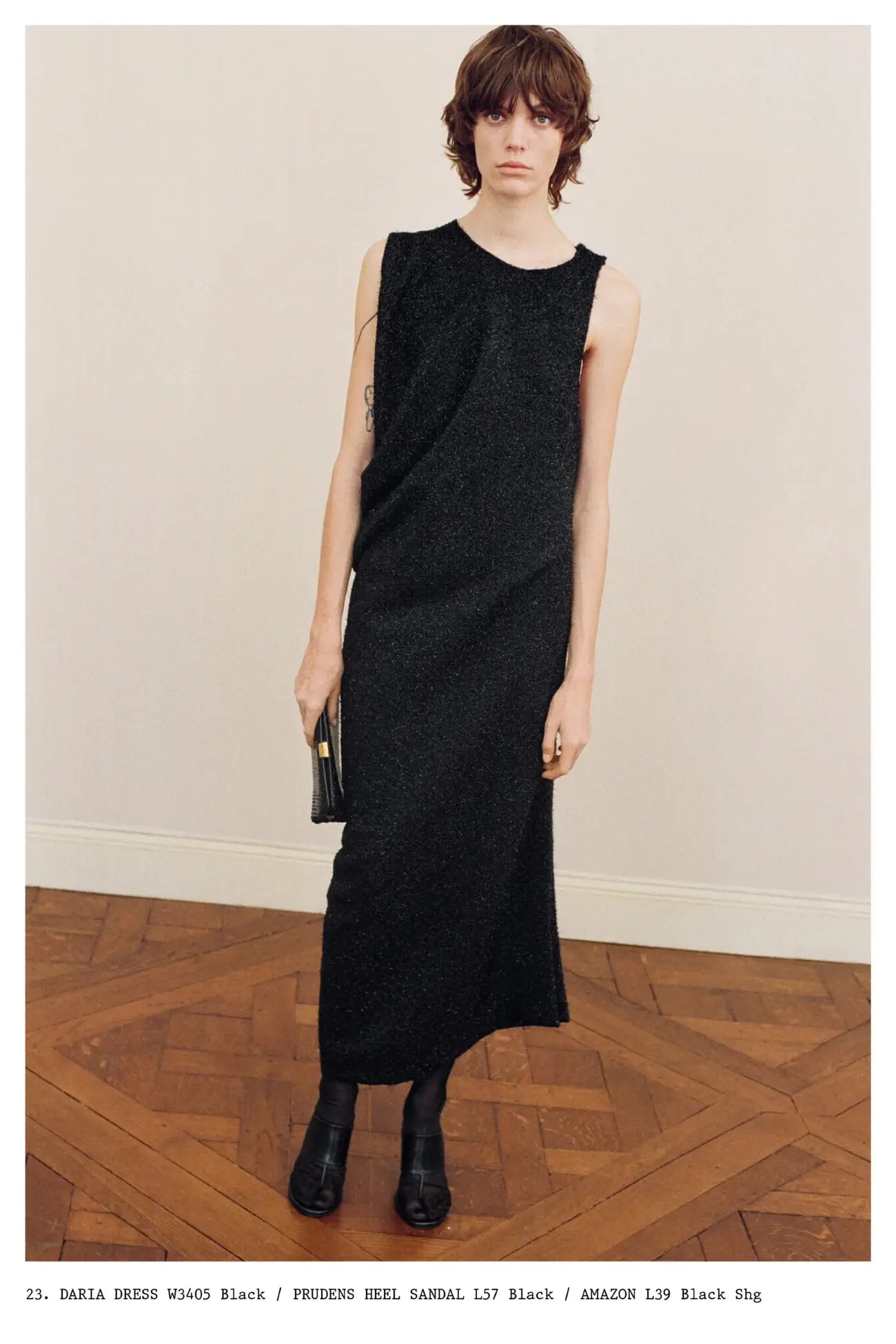
Shoppers researching the row understand quickly that this is not a brand built for impulse buying. It’s built for people who want one exceptional object that outlasts trend cycles entirely. The Row has built its reputation on restraint, and while much of the fashion industry chases seasonal trends, this brand, founded by Mary-Kate and Ashley Olsen, has spent nearly two decades refining a handful of silhouettes rather than chasing novelty—an approach that has turned The Row bags into something closer to modern heirlooms than fashion accessories.
Understanding why these pieces command such loyalty requires looking past the price tags and into the construction, material sourcing, and design philosophy that sets row handbags apart from nearly everything else on the market. This article breaks down what makes them worth the wait, which styles matter most, and where you can actually find them.
Behind The Row’s Bags and Their Fiercely Loyal Following
Every bag featured in the current the row bags overview displays a few consistent traits: sparing hardware, structured but soft silhouettes, and leather that’s been sourced and tanned with an unusual level of care. The label is known for restraining decoration — no obvious brand marks, no overt brand signals, no seasonal gimmicks. Those who prize enduring quality over instant recognition among stylists, editors, and collectors have come to favor row bags owing to this design language.
Rarity is part of the appeal. The Row turns out far smaller quantities than most luxury houses, and particular shapes disappear from stock days after being replenished. This isn’t manufactured hype; it reflects genuinely limited production runs tied to specialized ateliers in Italy. Buyers frequently report waitlists lasting several months for the most sought-after shapes, particularly in neutral tones like ecru, black, and taupe.
There’s also the secondary market here. A number of top-tier bags from the line — among them early Margaux as well as Sideby styles — have demonstrated solid holding of value relative to other high-end handbag lines, with a handful of styles commanding resale values matching or exceeding the original retail price inside that first twelve months. Performance like that is unusual, reflecting authentic demand rather than hype-driven speculation.
Meet the Must-Have Silhouettes: Margaux, Sideby, and the Tote
Celebrated for its soft-sided shape and how it settles into saint laurent the shape of daily use, the Margaux is by many measures the brand’s most recognizable design. It comes in multiple sizes, enabling it to serve as both a go-to daily carryall with crossbody styling and a sleeker after-dark option based on the version selected. It’s a common question where to buy the row margaux bag, as stock levels fluctuate between the label’s own online store and a select group of authorized premium sellers.
Sideby, another much-loved option, leans into a more structured silhouette offering both a top handle and a strap option, suiting it to work and after-hours occasions alike. Meanwhile, the brand’s tote has become its most utilitarian offering — roomy, unlined in some versions to keep weight down, and outfitted with the same understated hardware found across the collection. Because it earns its keep day to day, it tends to be the first purchase for first-time buyers, more so than something designed for evening wear.
All three of these styles — Margaux, Sideby, and the tote — represents a distinct purpose, but each of them reflect the brand’s core commitment to restrained logos and top-tier leather craftsmanship. Buyers comparing row bags overview content across multiple sites will notice these three names recur constantly, and for good reason: these are the styles most often referenced in resale communities, style guides, and 2026 best-of lists.
A Look at The Row’s Signature Bag Styles
| Silhouette | Ideal Use | Structure | Common Occasion |
|---|---|---|---|
| Margaux | Everyday adaptability | Soft, slouchy | Transitions easily from office to weekend |
| Sideby | Refined, dressier moments | Firm shape with top handle | Office and evening |
| Tote | Greatest carrying space | Open, spacious | Travel and everyday errands |
This overview is far from complete — The Row produces lesser-known groupings, including the Ascot and the Wander that sit beyond these three core groups — but for buyers trying to settle on an initial choice, these three categories account for most of use cases people search for when browsing the row handbags as a category.
How Row Sale Events and Resale Actually Work
In contrast to labels that slash prices heavily every season, a real row sale is rare. The Row now and then extends reductions through certain department stores rather than its own website, and even then, the most popular sizes and colors sell out before markdowns are widely advertised. Shoppers hoping to catch a row sale should follow authorized retailers directly rather than relying on discount aggregator sites, since counterfeit risk increases significantly whenever “sale” and “designer handbag” appear in the same search.
Consignment sites have turned into the more reliable route for buyers seeking value. Platforms focused on verified luxury resale regularly feature well-kept Margaux and Sideby styles at 15–30% below original retail, depending on condition and color rarity. Neutral colorways tend to hold value best, while scarce seasonal shades can even command a premium on resale if the style was particularly in demand that year.
Notably The Row rarely participates in conventional seasonal discounting the way mass-market luxury brands do. This scarcity-driven pricing model is intentional — it strengthens both the impression and the fact that these are pieces meant to be kept rather than cycled through a closet.
Where The Row Fashion Philosophy Fits Into 2026 Wardrobes
As 2026 approaches, the overarching row fashion aesthetic — quiet luxury, tonal dressing, minimal branding — has gained even more significance. As many shoppers shift away from logo-heavy accessories, the draw of a bag that signals craftsmanship rather than status has expanded a great deal. This movement has brought row bags further into mainstream discussion, even as the brand itself maintains its quiet, low-marketing approach.
Stylists have also noted that The Row’s neutral palette pairs seamlessly with the tailored, monochrome wardrobes trending across both ready-to-wear and street style coverage this year. A single Margaux or tote can anchor multiple outfits across seasons without ever feeling dated, which is precisely the point of an investment piece. That same versatility is why so many shoppers researching best row bags settle on neutral tones over bold colors for their first buy.
Committing to the Purchase: Down-to-Earth Shopping Guidance
Before committing to a purchase, figure out your primary use case rather than chasing trends. A Margaux serves differently than a structured Sideby, and the tote solves an entirely different problem than either. Prioritizing lifestyle over aesthetics when buying tends to yield much greater long-term satisfaction.
Be sure to confirm authenticity whenever buying outside The Row’s own site or its brief list of authorized stockists. Given the brand’s popularity, counterfeit listings have increased across secondary marketplaces, and pricing that seems unusually low relative to typical retail should be treated as a red flag rather than a bargain.
Finally, consider color strategically. Neutral tones — black, ecru, taupe — tend to offer the greatest versatility and the strongest resale performance, while boldly colored or seasonal releases may feel exciting initially but can be harder to style consistently over multiple years. For an initial buy, most stylists and seasoned collectors suggest starting with neutrals before branching into color once you grasp how the bag fits into your everyday rotation.
The Row’s handbags aren’t designed for everyone, and that’s precisely the point. They reward patience, thorough research, and a readiness to invest in fewer, higher-quality things — an outlook that feels more relevant in 2026 than at any point before.